Understanding the Basics: What is a Stoma?
A stoma is an opening developed surgically to enable the discharge of physical waste. It can occur from different medical conditions, including cancer, inflammatory digestive tract disease, or injury. The stoma attaches an inner body organ to the outside world, assisting in the expulsion of waste when all-natural pathways are obstructed. This treatment leads to what's usually described as an ostomy.
In numerous instances, clients call for ostomies as a result of problems that compromise their bowel or urinary system systems. One of the most usual kinds of stomas consist of colostomy (from the colon), ileostomy (from the ileum), and urostomy (for urinary system diversion). Each kind offers unique objectives relying on the hidden medical situation.
The Value of Ostomy Care: Why Training Matters
Ostomy care is crucial for keeping patient health and wellness and comfort post-surgery. Appropriate training guarantees that caregivers recognize exactly how to handle problems associated with skin stability, smell control, and health-- all essential parts of effective ostomy management.
What Does Ostomy Care Involve?
Ostomy treatment includes a series of techniques created to ensure that people with a stoma can lead healthy lives. These techniques include:
- Cleaning: Making sure that the area surrounding the stoma remains tidy and without infection. Changing Appliances: Routinely changing bags or pouches developed to accumulate waste. Skin Protection: Using barriers and lotions to safeguard the skin around the stoma from irritation.
By understanding these facets via specialized training such as NDIS complex bowel care training or stoma care training for carers, caregivers can supply excellent support.
Types of Ostomies: An Overview
Colostomy
A colostomy entails developing a stoma from the colon. This kind enables strong waste elimination and may be temporary or long-term based on private wellness needs.
Ileostomy
An ileostomy comes from the ileum portion of the tiny intestinal tract. Patients may have this kind of ostomy when there are considerable problems with their colon, bring about liquid waste outcome rather than solid.
Urostomy
Urostomies divert urine away from a harmed bladder through a stoma created in the stomach wall surface, offering an alternate pathway for urine excretion.
Training for Caretakers: NDIS Complex Bowel Care Training
What is NDIS Complex Bowel Care Training?
The National Special needs Insurance policy Scheme (NDIS) offers funding for complex bowel care training that furnishes caregivers with necessary skills. This training focuses on recognizing different problems needing ostomies and reliable techniques for handling them.
Curriculum Highlights
Training https://writeablog.net/lolfuruacb/the-duty-of-education-and-learning-in-effective-stoma-and-bowel-care-management typically consists of:
- The makeup appropriate to different types of ostomies. How to evaluate a patient's needs. Techniques for altering home appliances effectively. Recognizing issues such as infections or leaks.
By investing in comprehensive education like this, caretakers improve their capability to supply high-grade care.
Stoma Care Training for Carers: Vital Skills Needed
Stoma treatment training shows practical abilities required by carers that sustain people with ostomies. This might include:
Learning concerning different sorts of ostomies. Understanding skin monitoring strategies. Familiarization with nutritional referrals post-surgery.This structure helps carers really feel more confident in handling daily difficulties faced by those with ostomies.
Complex Bowel Treatment Training course Overview
Why Take a Complex Bowel Care Course?
Complex bowel care courses offer targeted understanding crucial for healthcare experts dealing with patients who have particular requirements due to their clinical problems.
Course Content Breakdown
Typically, these programs cover topics such as:
- Assessment techniques Patient-centered communication strategies Emergency response protocols Psychological assistance avenues
Providing thorough education cultivates an environment for healing and comfort.
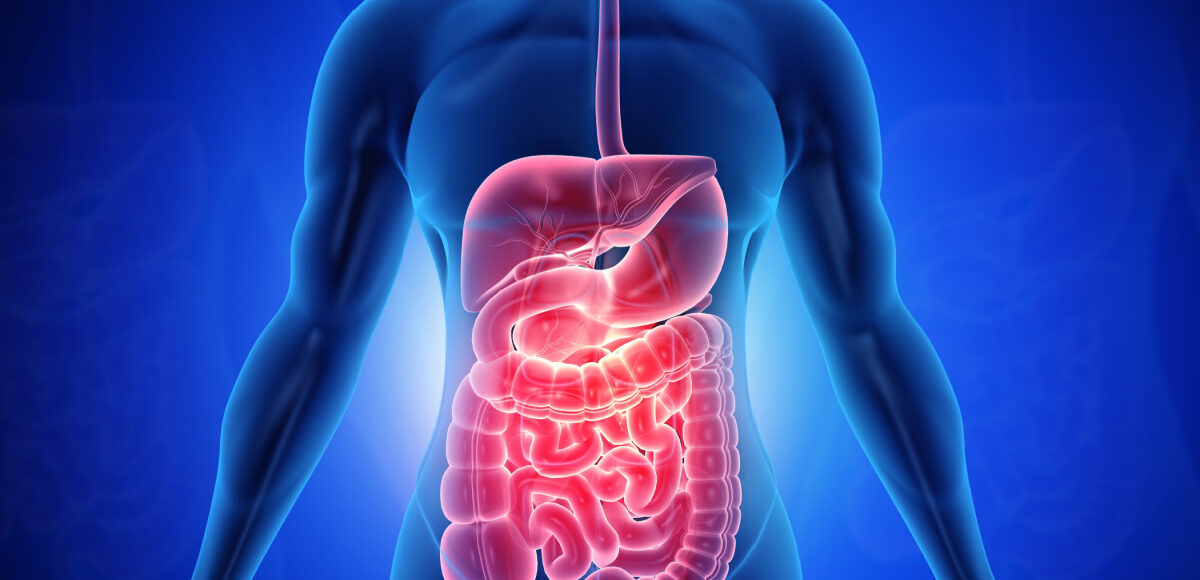
Bowel Treatment Monitoring Strategies
Importance of Effective Management Plans
Establishing effective bowel care management techniques is crucial for promoting general health and wellness in individuals living with a stoma. These plans should be personalized based upon each person's special requirements and circumstances.
Components of Effective Bowel Care Management
Key parts consist of:
Regular follow-ups with health care providers. Monitoring dietary routines closely. Implementing proactive procedures against complications like dehydration or constipation.Effective interaction in between people and caregivers boosts adherence to administration strategies, making certain better results over time.
Caring for an Ostomy: Daily Practices
Caring for an ostomy requires persistance and consistency. Here are some day-to-day methods advised by experts:
Check your pouch regularly. Change your appliance at the very least every three days or as needed. Maintain sanitation around the stoma area after each change. Stay hydrated; this assists handle outcome consistency.Implementing these practices not just advertises physical health however likewise encourages emotional strength amongst patients getting used to life with a stoma.
Emotional Elements of Living with an Ostomy
Living with an ostomy can activate feelings varying from anxiety concerning body image changes to problems relating to social interactions post-surgery. Resolving these psychological difficulties requires both understanding and support from caregivers and liked ones alike.
Strategies for Psychological Support
Engage in seminars concerning feelings towards coping with an ostomy. Encourage engagement in support system where experiences can be shared openly. Provide resources for therapy if needed-- mental wellness matters equally as much as physical health!Addressing emotional hurdles will certainly cultivate resilience among individuals adjusting their lives post-surgery while improving connections improved empathy and understanding between caretakers and clients alike.
FAQ Section
1. What is a stoma?
A stoma is an operatively created opening up that connects an internal body organ straight to the outdoors atmosphere, allowing waste elimination when normal paths are endangered due to illness or injury.
2. What sorts of ostomies exist?
The major kinds include colostomies (from the colon), ileostomies (from the ileum), and urostomies (for urine diversion).
3. Why is ostomy care important?
Proper ostomy care helps keep skin honesty, protects against infections, handles odor control successfully, advertises hygiene, and eventually sustains overall wellness in people living with a stoma.
4. Just how can I discover customized training programs?
Programs like NDIS complex bowel care training deal specialized courses targeted at gearing up caretakers with essential abilities associated particularly to complex bowel management connected with various sorts of ostomies.
5. Just how often must I transform my appliance?
It's normally suggested that you transform your appliance every 3 days; nonetheless, this may differ depending on aspects like result uniformity and personal convenience levels-- listen very closely to your body's signals!

6. Can I still lead an active way of living after surgery?
Absolutely! With proper modifications made concerning physical activity constraints at first suggested throughout recuperation periods complying with surgical procedure-- many people return fully involved into their previous way of livings without any limitations.
Conclusion
Understanding what a stoma involves is crucial not only for patients yet additionally for caregivers responsible for offering recurring support throughout one's journey post-surgery! By spending time into detailed curricula such as NDIS complex bowel care training or specialized training courses devoted explicitly towards caring techniques tailored distinctively according each individual's requirement-- every person entailed stands placed with confidence moving forward in the direction of boosted high quality living experience no matter tough scenarios presented along way!